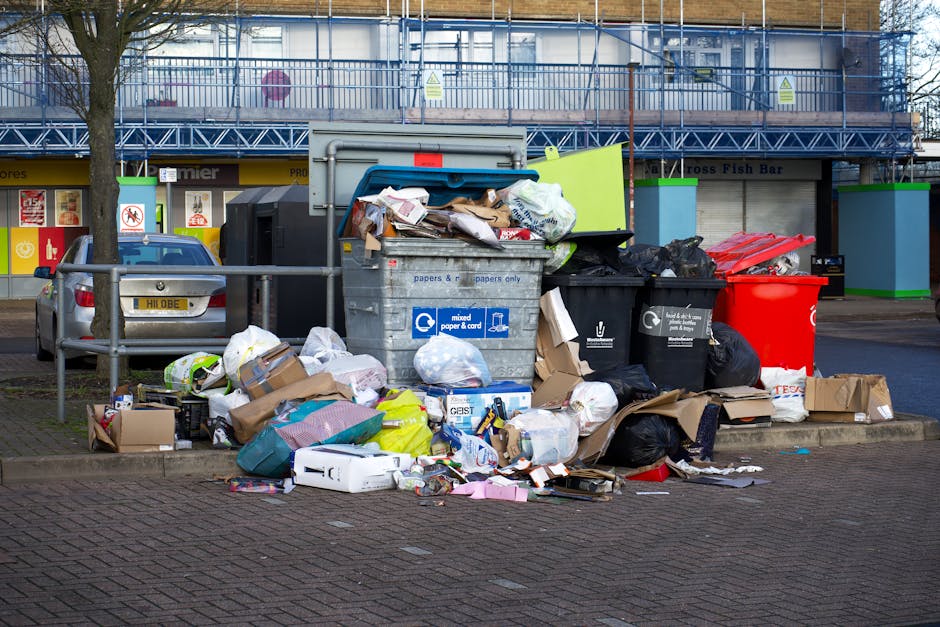
Rubbish removal near Herne Hill station: what local residents need
If you live near Herne Hill station, rubbish can pile up faster than you expect. One week it is a broken wardrobe, the next it is garden cuttings, old boxes, or a half-finished clear-out that has spread across the hallway. For local residents, rubbish removal near Herne Hill station what local residents need is usually less about "disposing of waste" and more about finding a practical, quick, and tidy way to get life back to normal. This guide explains what matters most, how the process works, and how to choose the right approach without overpaying or making a mess of the job.
Whether you are dealing with a flat clearance, post-renovation waste, a bulky sofa, or just the usual weekend accumulation, there is a sensible way through it. And yes, there are a few pitfalls to avoid. Let's face it, nobody wants a driveway blocked by a skip, a permit headache, or a van arriving when everyone is trying to get to the station.
Table of Contents
- Why it matters locally
- How rubbish removal works
- Key benefits and practical advantages
- Who needs this service
- Step-by-step guidance
- Expert tips for better results
- Common mistakes to avoid
- Tools, resources and recommendations
- Law, compliance and best practice
- Options and comparison
- Real-world example
- Practical checklist
- Conclusion
- Frequently asked questions
Why Rubbish removal near Herne Hill station what local residents need Matters
Herne Hill has a very particular rhythm. You have station traffic, narrow streets, terraces, flats, family homes, and the usual London squeeze on kerb space. That makes waste removal a bit more nuanced than simply putting everything outside and hoping for the best. Residents near the station often need a service that is quick, discreet, and flexible enough to work around parking, access, and neighbour noise.
There is also the practical side. Waste left sitting around can attract pests, create trip hazards, and make a home feel more stressful than it should. If you are renovating a room, moving out, or dealing with an unexpected clear-out, the sooner it is handled, the better. A well-planned rubbish removal service keeps the job moving and prevents that awkward "where do we put this now?" moment halfway through the day.
In our experience, the residents who feel happiest with the process are the ones who treat rubbish removal as part of the project plan, not an afterthought. That sounds obvious, but it is amazing how often it gets overlooked.
Expert summary: For homes near Herne Hill station, the best rubbish removal solution is usually the one that balances speed, access, and waste type. A fast collection is useful, but a properly matched service saves time, reduces disruption, and lowers the risk of avoidable issues.
How Rubbish removal near Herne Hill station what local residents need Works
Most rubbish removal services follow a simple sequence. You describe what needs to go, the team assesses the job, you agree on the collection method, and the waste is taken away for sorting and disposal. The details matter, though, because the best method depends on the type and volume of waste, as well as how easy it is to access the property.
For example, if you are clearing a few bulky items from a flat with decent access, a man and van style collection may be enough. If you have heavier mixed waste from a renovation, a rubbish removal service can be the cleaner route. If the waste is mainly from building works, you may find builders waste removal or construction waste disposal more appropriate.
Some jobs are best handled with a skip. Others work better with a wait-and-load arrangement, especially where space is tight or parking is limited. That is common around station areas, where keeping a skip outside for several days can be inconvenient. If you need the waste gone quickly and do not want a container sitting on the street, a wait and load skip hire option can be worth considering.
If you are unsure what you have, make a quick pile by category: general household rubbish, furniture, green waste, construction debris, electrical items, and anything that may need special handling. That little bit of sorting at the start saves arguments later. And it makes the quote far more accurate too.
Key Benefits and Practical Advantages
The main benefit is obvious: your waste disappears without you having to load, drive, and unload it yourself. But there is more to it than convenience.
- Less lifting and strain: Ideal for bulky or awkward items such as wardrobes, mattresses, and appliances.
- Faster clear-outs: Handy when you are moving, refurbishing, or trying to clear a room before guests arrive.
- Better for tight access: Near Herne Hill station, roads and parking can make on-street solutions less appealing.
- Cleaner finish: A professional collection reduces the chance of rubbish lingering in hallways, gardens, or front steps.
- More suitable waste handling: A good provider will separate items for recycling where possible, which is better all round.
There is also peace of mind. If you have ever tried to fit a dismantled sofa into a car on a wet Tuesday evening, you will already know why people pay for this service. A job done properly tends to feel smaller than the job looked at the start. That matters when you are already busy.
For residents who prefer a fuller property clean-up, related services such as house clearance, garage and loft clearance, and garden waste removal can be a better fit than a one-off ad hoc collection.
Who This Is For and When It Makes Sense
This service is not just for people in the middle of a major clear-out. It is useful for a surprisingly wide range of residents and local situations.
- Flat dwellers: If you live in a top-floor flat or a converted property, getting bulky rubbish down stairs is not exactly fun.
- Home movers: Moving day often reveals a strange amount of unwanted clutter. Funny how that happens.
- Families: Toys, broken furniture, old prams, and general household clutter can build up quickly.
- Landlords and tenants: End-of-tenancy waste, abandoned items, and post-occupation clear-ups need a reliable plan.
- DIY renovators: Plasterboard offcuts, old fittings, packaging, and mixed debris need proper disposal.
- Small businesses working locally: Offices, studios, and retail spaces sometimes need a quick clear-out rather than a long-term waste contract. In that case, office clearance or commercial skip hire may be useful.
It also makes sense when waste is too much for your own bin collection, too awkward for a car boot, or too mixed to sort comfortably yourself. If the load includes specialist items like a fridge, mattress, or sofa, then a dedicated collection route is often the simplest solution. See fridge and appliance removal and mattress and sofa disposal for those bulky one-item jobs.
Step-by-Step Guidance
Here is the simplest way to approach rubbish removal without overcomplicating it.
- Identify the waste type. Make a rough list: furniture, household rubbish, green waste, construction debris, electricals, confidential papers, or hazardous items.
- Estimate the volume. A few bags is very different from a full room. The space the waste occupies often matters more than the number of items.
- Check access. Think about stairs, narrow hallways, parking restrictions, and whether a vehicle can stop close enough to load quickly.
- Decide on the method. A direct collection, skip hire, or wait-and-load approach may all be suitable depending on the job.
- Ask about restricted waste. Some materials need special handling, especially chemicals, batteries, and certain electrical items. For those cases, look at hazardous waste disposal.
- Get a clear quote. Ask what is included, what is excluded, and whether labour, loading, and disposal are all part of the price.
- Prepare the items. Group waste in one place if you can. It speeds things up and helps the team work safely.
- Confirm timing. If you live near the station, avoid a collection window that clashes with commuting, school runs, or noisy neighbours doing their own thing.
If your waste is mainly loose household items and you want maximum flexibility, a man and van approach can be a practical middle ground. If you have a bigger mixed load, grab hire services may be more efficient. Each method has its place. It is not one-size-fits-all, and honestly that is a good thing.
Expert Tips for Better Results
A few small decisions can make a surprisingly big difference to the result. These are the things that tend to separate a smooth collection from a frustrating one.
- Photograph the load before booking. Pictures help providers judge volume and access more accurately.
- Keep clear lanes. If the team has to navigate a cramped hallway, make it as tidy as possible first.
- Separate obvious categories. Wood, metal, green waste, and electricals are easier to handle when not mixed into one chaotic pile.
- Ask about recycling. A responsible provider should aim to divert suitable material from landfill where possible. If sustainability matters to you, take a look at recycling and sustainability.
- Choose the right timing. Early collections are often easier around busy roads and station traffic. The whole street tends to feel calmer before the day gets going.
- Think about security. If waste will be left in place briefly, an enclosed option may suit you better. That is where enclosed and lockable skip hire can be useful.
A good rule of thumb? The less guesswork there is, the better the outcome. Truth be told, rubbish removal works best when the customer and the provider both know what they are dealing with.
Common Mistakes to Avoid
Most problems with waste removal come from the planning stage, not the collection itself.
- Underestimating the amount of rubbish: A "small clear-out" can quietly turn into a full van load.
- Mixing restricted items into general waste: This can create delays or extra charges, and in some cases it is not allowed at all.
- Ignoring access issues: If a vehicle cannot park nearby, the job may take longer than expected.
- Choosing the cheapest option without checking what is included: The lowest price is not always the best value.
- Leaving booking until the last minute: Near a station, same-day requests are common, which means slots can fill quickly.
- Assuming everything can go in a skip: It cannot. If in doubt, check what can go in a skip before loading anything.
One more thing: do not bury awkward items under general rubbish and hope nobody notices. It just creates friction later. Nobody enjoys that call.
Tools, Resources and Recommendations
You do not need fancy kit, but a few simple tools make the job easier and safer.
- Tape measure: Helpful for estimating whether bulky furniture will fit through doors or down stairs.
- Phone camera: Quick photos help with quotes and make communication easier.
- Gloves and sturdy footwear: Basic, but worth it if you are moving items yourself before collection.
- Bins, bags, and boxes: Good for separating loose waste and preventing small items from scattering.
- Notepad or phone checklist: Useful for making sure nothing important gets thrown away by mistake.
For residents who want to compare methods, start with the most relevant service page rather than guessing. If the issue is a domestic clear-out, domestic skip hire may be appropriate. For builders' debris, builders skip hire is worth checking. For a full site clean-up, site clearance can be the better fit.
If you are still unsure, a conversation with the provider usually clarifies things quickly. That is often faster than reading ten tabs of half-helpful advice, by the way.
Law, Compliance, Standards, or Best Practice
Waste removal in the UK is not just about convenience; it also comes with responsibilities. You do not need to know every detail, but it helps to understand the basics. Waste should be handled by a provider that manages disposal properly and follows accepted industry practice. If you are arranging removal from your home, it is sensible to ask how the waste will be handled, where possible, and whether recyclable material is separated.
For residents, the biggest practical points are usually these: do not put hazardous materials into general waste, do not assume all electrical items are accepted, and do not leave waste where it blocks access or creates a public hazard. If you are using a skip on a public road or in a restricted space, a permit may be required. In those cases, skip hire permits and skip permits are worth reviewing before anything arrives.
Security and safety matter too. If you are dealing with papers, files, or business records, confidential shredding is a sensible route rather than putting sensitive material in mixed waste. And if the load includes anything potentially dangerous, professional handling is the right call. No drama, just good practice.
Trustworthy operators should also be clear about payment, insurance, and the practical limits of what they can take. That is where payment and security, insurance and safety, and health and safety policy information can help build confidence before you book.
Options, Methods, or Comparison Table
Different waste situations call for different approaches. Here is a straightforward comparison to help you decide.
| Method | Best for | Main advantage | Possible drawback |
|---|---|---|---|
| Rubbish removal | Mixed household waste, bulky items, quick clear-outs | Fast, labour included, minimal effort for the resident | May be less cost-effective for very large volumes |
| Skip hire | DIY projects, ongoing clear-outs, repeated loading over time | Flexible loading window | Can require space and possibly a permit |
| Wait-and-load | Tight streets, limited parking, short loading jobs | No skip left behind on the road | Requires everything to be ready on time |
| Grab hire | Heavier or bulkier mixed waste, larger clearances | Quick collection with less manual handling | Access and loading setup still matter |
| Man and van | Smaller loads, flat clearances, awkward items | Flexible and often convenient for local residents | Not ideal for very large or heavy waste volumes |
For some households, the decision is simple: one sofa and some bags? Go for a collection. A room full of renovation waste? Compare skip options with skip hire and skip sizes and prices. A property packed with mixed clutter? A house clearance style service may save hours.
Case Study or Real-World Example
Here is a realistic local scenario. A couple living a short walk from Herne Hill station had just finished repainting their flat and clearing out a spare room. The problem was not one item; it was everything at once. There were broken shelves, old boxes, a mattress, packaging from flat-pack furniture, and a pile of general clutter that had slowly taken over the landing.
At first they considered hiring a skip. But the street was tight, parking was limited, and they did not want a container sitting outside for days. After checking access, they chose a collection service instead. The team arrived with enough time to load the items quickly, sorted the obvious recyclables, and left the hallway clear within the same visit. No waiting around. No need to juggle a permit. No awkward arguments with neighbours about where the skip was going to sit.
The real lesson was not just that the waste disappeared. It was that the couple could get back to living in the space properly. That is often the hidden value in rubbish removal: it does not just clear rubbish, it clears mental clutter too.
Practical Checklist
Before you book, run through this quick checklist.
- Have you identified the main type of waste?
- Do you know roughly how much needs removing?
- Have you checked access, stairs, and parking?
- Are there any items that need specialist handling?
- Have you separated anything fragile, valuable, or confidential?
- Do you need a one-off collection or a bigger clearance service?
- Would skip hire, wait-and-load, or man and van be the better fit?
- Have you asked whether recycling or reuse is part of the process?
- Do you know the booking time and how long the load is likely to take?
- Have you reviewed the provider's policies on safety, payment, and complaints?
That last point matters more than many people think. A clear complaints process is not something you hope to use, but it is reassuring to know it exists. See complaints procedure if you want to understand that side of service quality before booking.
Get a free quote today and see how much you can save.
Conclusion
For residents near Herne Hill station, rubbish removal is really about making a busy local life a bit easier. The right service saves time, handles awkward waste properly, and avoids the small but annoying headaches that come with doing it all yourself. If you choose the method that matches your waste type, access, and timing, the whole job becomes much more manageable.
Whether you need a quick one-off collection, a fuller clear-out, or a more structured waste plan, the key is to start with what you actually have, not what you think you might need. That simple shift helps you choose well, spend wisely, and keep the process calm. And calm is underrated, especially when you are standing in a front room full of boxes at 7:30 in the morning.
For a friendly next step, explore the most relevant service detail pages, review pricing carefully, and book only when you feel confident about the plan. A tidy home starts with a tidy decision.
Frequently Asked Questions
What is the best rubbish removal option near Herne Hill station?
The best option depends on the type and volume of waste, plus how easy your property is to access. For small or mixed loads, a rubbish removal or man and van style service is often practical. For bigger ongoing jobs, skip hire or grab hire can make more sense.
Do I need a skip permit if I live near the station?
Only if the skip is going on a public road or another area that needs permission. If you have private space, a permit may not be necessary. It is always worth checking before booking so you do not get caught out.
Can I put furniture and bulky items in rubbish removal?
Yes, bulky items such as sofas, wardrobes, and mattresses are commonly collected. If the item is very heavy or difficult to move, mention that upfront so the team can plan properly.
What items cannot usually go in a normal rubbish collection?
Hazardous materials, some chemicals, and certain electrical items may need separate handling. If you are unsure, ask before the collection. It is much easier to sort this early than to discover it on the day.
Is wait-and-load suitable for a busy local street?
Often, yes. It can be a good fit where parking is tight or you do not want a skip left outside. The key is having everything ready to load quickly when the vehicle arrives.
How do I know whether I need skip hire or rubbish removal?
If you want to fill waste gradually over time, skip hire may suit you. If you want the waste gone in one visit with loading included, rubbish removal is usually the simpler option.
Can rubbish removal help after a house clearance?
Yes. It is a useful choice when you have already sorted the items and just need the remainder taken away. For larger jobs, a full house clearance may be more efficient.
How quickly can waste be collected?
That depends on availability and the size of the job. Some services can be arranged very quickly, especially if the load is straightforward. If timing matters, ask about same-day or urgent options.
What should I do before the collection team arrives?
Group the waste together, clear access routes, and separate anything that should not be mixed in. A tidy setup speeds everything up and reduces the chance of confusion.
Are recycling and disposal included in the service?
Usually, yes, but the exact process varies by provider. It is sensible to ask how recyclable items are handled and whether disposal is built into the quote.
Is there a difference between office clearance and domestic rubbish removal?
Yes. Office clearance often involves larger volumes of furniture, files, and equipment, while domestic rubbish removal is usually more suited to household clutter and bulky items. If the waste is from a business, use the more relevant route.
What should I ask before booking?
Ask what waste types are accepted, how access will affect the job, whether the quote includes labour and disposal, and what happens if the load is bigger than expected. Clear questions at the start save trouble later.