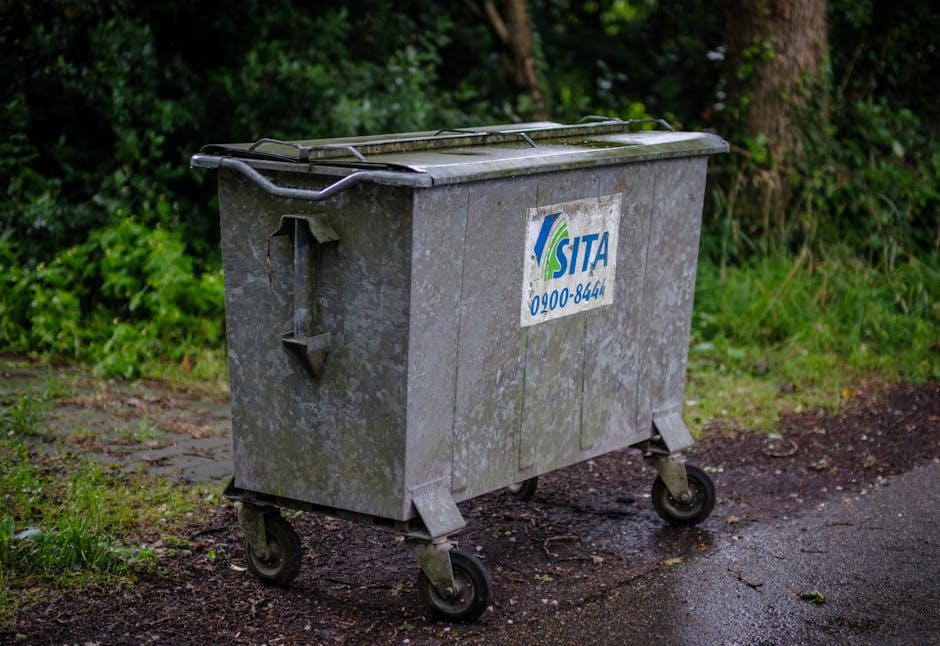
Rubbish removal options for Herne Hill SE24 council estates
If you live on a council estate in Herne Hill SE24, rubbish can build up in a very particular way: a broken wardrobe left by the lift, a mattress that won't fit in the car, bags from a flat clear-out, or garden cuttings after a weekend job that somehow turned into a bigger job than expected. The right rubbish removal options for Herne Hill SE24 council estates depend on space, access, urgency, and what type of waste you need gone. Get it wrong, and you end up with blocked walkways, missed collections, or a pile that sits there annoying everyone. Get it right, and the whole place feels calmer almost immediately.
This guide walks through the practical choices available, what they are best for, where the snag points usually appear, and how to choose without overpaying. It's written for real-life estate living: limited parking, shared entrances, neighbour sensitivities, and the occasional lift that seems to have its own opinions.
Table of Contents
- Why rubbish removal on council estates matters
- How the removal process works
- Key benefits and practical advantages
- Who this is for and when it makes sense
- Step-by-step guidance
- Expert tips for better results
- Common mistakes to avoid
- Tools, resources and recommendations
- Law, compliance, standards and best practice
- Options, methods and comparison table
- Case study or real-world example
- Practical checklist
- Conclusion
- Frequently asked questions
Why Rubbish removal options for Herne Hill SE24 council estates Matters
On a council estate, rubbish removal is rarely just about convenience. It affects safety, access, hygiene, and neighbour relations all at once. One overloaded bin store can become a magnet for fly-tipping. One awkward sofa left in a corridor can become a fire and access issue. And one missed clear-out can quickly turn into a mess that feels bigger than the original problem.
Herne Hill SE24 has the usual London mix of older blocks, shared entrances, tight turns, and limited loading space. That means the best rubbish removal option is often not the one that sounds simplest on paper, but the one that actually fits the site. To be fair, that's the whole game here: matching the job to the access.
There's also a social side. Estate residents notice when waste is left lying around. It can make the area feel neglected, even if the problem started with one person moving out in a hurry. A tidy, organised removal helps the whole block breathe a little easier. Sounds dramatic, maybe, but you will notice the difference.
For local households and managing agents, this matters even more when jobs involve bulky items, construction debris, or a mix of general clutter and awkward waste streams. If you need a broader service overview, it can help to look at rubbish removal services alongside more specific options such as house clearance or mattress and sofa disposal.
How Rubbish removal options for Herne Hill SE24 council estates Works
In practical terms, rubbish removal usually follows one of four routes: a skip, a man and van collection, a grab lorry, or a specialist clearance service. Each one handles estate access differently, and each one suits a different kind of waste.
Here's the basic flow most people go through:
- You identify what needs removing and roughly how much there is.
- You check access: parking, stairs, lift, gate width, and whether the waste is easy to carry out.
- You choose the right removal method for the size and type of waste.
- You arrange timing so waste does not block communal areas for too long.
- The waste is collected, loaded, sorted, and taken for disposal or recycling.
That sounds straightforward, and sometimes it is. But estate jobs often fail on the details. A skip might be ideal in theory, but there may be nowhere safe to place it. A same-day collection might be perfect, but the item could be too bulky for quick loading without extra hands. This is where a bit of judgment saves a lot of hassle.
If your waste includes mixed household items, old furniture, and a few bags of general clutter, a flexible collection is often easier than a formal skip arrangement. For faster turnaround, some residents also compare man and van collections with wait and load skip hire, especially where the vehicle can park briefly and the waste can be loaded without leaving anything on site.
Key Benefits and Practical Advantages
The right rubbish removal option does more than clear the mess. It reduces stress. That alone is worth something when you are dealing with a move, a refurbishment, or a sudden pile-up from years of "I'll sort it later."
- Less disruption: A quick collection keeps shared walkways and bin stores clear.
- Better access: Important on estates where space is tight and neighbours need to get by.
- Cleaner finish: Waste is removed in one go instead of lingering for days.
- More suitable for mixed waste: Great when you have furniture, bags, broken items, and odd bits all together.
- Often more practical than DIY trips: No loading a borrowed car to the roofline, then worrying about the smell on the way back. We have all seen that sort of plan go sideways.
- Improved recycling potential: Responsible operators separate recyclable materials where possible.
There is also a quieter benefit: peace of mind. If you've ever looked out of a window at 7:30am and seen a pile of waste where there should be a clear passage, you know how quickly frustration builds. A professional removal gives you back that little bit of order.
For bulky household waste, residents often also compare collection with item-specific services such as fridge and appliance removal or garage and loft clearance, depending on whether the problem is one item or a whole roomful.
Who This Is For and When It Makes Sense
Not every estate rubbish job needs the same approach. Some are tiny and urgent. Others are bigger, slower, and slightly more emotionally charged than people admit. The right option depends on what is being cleared and why now.
This is especially relevant for:
- Tenants moving out who need to leave a flat clear and tidy.
- Homeowners in ex-local authority flats managing a one-off declutter.
- Landlords and letting agents dealing with end-of-tenancy waste.
- Resident associations and caretakers coordinating communal clean-ups.
- Families clearing inherited property where items have piled up over years.
- Tradespeople removing light building waste from small refurb jobs.
It makes sense to use a dedicated rubbish removal service when waste is too bulky for the bin store, too much for a normal car boot, or too awkward to carry through shared access. It also makes sense if there's a time pressure, such as an inspection, handover, or an estate management request to clear an area quickly.
If the job involves building debris rather than domestic clutter, look at builders waste removal or construction waste clearance. Those services are usually more appropriate for rubble, offcuts, packaging, and renovation waste than a general household pickup.
Step-by-Step Guidance
Here is a simple way to approach rubbish removal in a council estate setting without making it more complicated than it needs to be.
1. Sort the waste first
Group items into categories: furniture, bagged rubbish, appliances, garden waste, or renovation debris. This helps you estimate the volume and identify anything that needs special handling.
2. Check access and parking
Ask yourself: where will the vehicle stop? Is there space for loading? Can a larger vehicle get near the block? Are there steps, narrow corridors, or lifts that might slow things down? A good removal plan starts here, not at the quote stage.
3. Decide how fast it needs to go
If the waste needs removing today or tomorrow, same-day or next-day collections may be worth the premium. If the situation is less urgent, a scheduled skip or pre-booked clearance might be more cost-effective.
4. Match the waste to the method
For a few bulky items, a man and van service can be ideal. For mixed loads with easy access, a skip can work well. For heavy, loose material on site, a grab lorry may save time. If you are not sure, that's normal. People rarely are at first glance.
5. Confirm what can and cannot go
A lot of confusion comes from restricted items. Paints, chemicals, gas cylinders, fridges, mattresses, and some electricals may need separate handling. It is better to ask before collection than to discover the issue on the day.
6. Clear communal spaces before collection
Move items out of corridors, entrances, and bin stores only when the collection time is near. That keeps the estate tidy and reduces the chance of complaints.
7. Ask about sorting and recycling
A responsible provider should explain where the waste goes and whether recyclable material is separated. You do not need a lecture, just a clear answer.
8. Keep proof of what was removed
For landlords, agents, and responsible tenants, a record of collection can be useful if questions come up later. A quick invoice or job note is often enough.
Expert Tips for Better Results
Small choices make a big difference on council estates. The difference between a smooth job and a messy one is often a few careful decisions made early.
- Measure bulky items before you book. A sofa that "looks fine" in a hallway can be a nightmare at the final corner.
- Choose the least disruptive time. Mid-morning often works better than very early or late, especially in blocks where residents come and go throughout the day.
- Keep a clear route to the vehicle. Even one misplaced stack of bags can slow the whole collection.
- Separate hazardous or specialist items. This avoids delays and lowers the risk of improper disposal.
- Think about neighbours. A short note in advance can prevent awkward conversations later.
- Use a service that understands local access. Estate work is its own thing. It is not the same as a rural house with a huge driveway, not by a long shot.
One practical trick: if you are deciding between options, imagine the worst five-minute part of the job. Is it lifting the item down stairs? Parking the vehicle? Loading in rain? The best option is usually the one that removes that problem first.
If you want to reduce waste volume before collection, a little pre-sorting goes a long way. Good providers also support broader sustainability goals through recycling and sustainability, which matters when you are clearing larger amounts of mixed rubbish.
Common Mistakes to Avoid
Here's where many estate clearances go wrong. Not badly, just inconveniently. And inconveniently becomes expensive faster than you would expect.
- Booking the wrong size service. Too small means multiple trips. Too large can mean unnecessary cost.
- Ignoring access restrictions. A vehicle that cannot reach the waste creates instant delays.
- Leaving waste in communal areas too early. That can cause complaints or block access.
- Mixing prohibited items with general rubbish. This can stop collection or trigger extra charges.
- Assuming all waste is treated the same. Appliances, mattresses, and hazardous materials may need specific handling.
- Forgetting about permits or permissions. Some placements and road-side arrangements need extra planning.
- Waiting until the last minute. That is the classic one, isn't it? It works right up until it does not.
If a job is near a deadline, same-day options may be better than trying to force a larger schedule into a tight slot. You can compare that with a more planned approach like same-day skip hire or a more flexible book online process when you need certainty without endless back-and-forth.
Tools, Resources and Recommendations
You do not need a van full of specialist gear to manage rubbish removal well, but a few simple tools help a lot.
- Measuring tape: Useful for furniture, appliances, and route checks.
- Basic gloves: For sorting sharp or dusty waste safely.
- Bin bags or heavy-duty rubble sacks: Helpful for loose clutter and smaller fragments.
- Phone camera: Take quick photos before collection for quotes or records.
- Notepad or notes app: Keep a list of what must go.
- Door labels or sticky notes: Handy in larger clear-outs so nothing gets missed.
For estate residents, the most useful resources are usually practical service pages that explain what each method suits best. For example, skip hire is useful for larger, organised clearances, while grab hire services can be a smart choice where access and loading speed matter. If the job is domestic and relatively contained, domestic skip hire may be the right fit.
For very specific waste types, specialist services can be the cleaner choice: garden waste removal for green material, hazardous waste disposal for risky items, and confidential shredding if personal paperwork is part of a clear-out. Paperwork has a funny way of turning up in the worst places.
Law, Compliance, Standards and Best Practice
Waste removal in London is not just a practical job; it also has compliance implications. You do not need to become an expert overnight, but it helps to understand the basics.
In general, waste should be collected, carried, and disposed of by people and businesses that follow relevant UK waste handling practices. That usually means using appropriate vehicles, sorting waste where practical, and making sure items go to legitimate disposal or recycling facilities. For residents, the main concern is choosing a provider that can handle waste responsibly and legally.
For estate jobs, best practice usually includes:
- keeping communal routes clear
- avoiding blocked fire exits or entrances
- separating hazardous items from general waste
- checking whether a permit is needed for skips or roadside placement
- using a provider with public liability cover and sensible safety procedures
- asking how recyclable material is handled
It is also wise to confirm whether a permit is required if a skip or container will sit on public land or a road. The exact position can vary by location and setup, so do not guess. A quick check up front is far easier than a problem later.
If you are comparing providers, look for straightforward terms, sensible pricing, and clear insurance and safety information. Those details are often more revealing than fancy sales language. If something sounds vague, it usually is vague.
Options, Methods, and Comparison Table
Different rubbish removal options suit different kinds of estate jobs. The table below is a simple way to compare them.
| Option | Best for | Strengths | Watch-outs |
|---|---|---|---|
| Man and van | Bulky household items, mixed loads, quick clearances | Flexible, good for tight access, often fast | May be less suitable for very large volumes |
| Skip hire | Longer clear-outs, renovation waste, planned jobs | Good for sorting as you go, useful for bigger volumes | Needs space and possibly a permit |
| Wait and load | Areas with poor parking or short loading windows | No need to leave a skip on site, fast turnaround | Requires all waste ready when the vehicle arrives |
| Grab lorry | Large loose waste, heavy material, accessible collection points | Speedy loading, strong for bulk material | Needs room for safe operation |
| Specialist clearance | Households, voids, garages, appliances, sensitive items | Targeted and practical, often better for mixed problems | May cost more if the job is complex |
For many Herne Hill SE24 estates, the choice comes down to access. If parking is tight and you need speed, man and van or wait and load is often the cleanest answer. If the job is large and organised, skip hire can be better. If you are still unsure, looking at skip sizes and prices can help you estimate whether a container-based option is realistic before you commit.
Case Study or Real-World Example
A fairly typical estate job goes like this. A resident in SE24 is moving out of a second-floor flat. There are two wardrobes, a mattress, several black bags, and a broken chest of drawers. The block has a narrow entrance, limited parking, and a busy footpath outside. A skip would have caused more disruption than it solved.
Instead, the resident chooses a man and van collection. The items are grouped in advance, the route is cleared from the flat to the loading point, and the crew arrives when the lift is least busy. The whole job is over quickly, and the communal space is left tidy. No mystery pile. No awkward lingering mess. Job done.
Now imagine the same flat, but with plasterboard offcuts, old kitchen units, and a few builder's bags after a refurb. That is a different story. A builders-focused collection or grab hire could be more efficient, because the volume and weight are higher and the waste is more construction-like than domestic. Same postcode, different solution.
The useful lesson is simple: the best option is the one that matches the waste, not the one that sounds cheapest at first glance.
Practical Checklist
Use this quick checklist before you book anything.
- Have you listed every item that needs removing?
- Do you know whether the waste is domestic, bulky, garden, or construction-related?
- Have you checked access, parking, stairs, and lift use?
- Is there enough room for the vehicle or container?
- Have you identified any hazardous or restricted items?
- Do you need a same-day, next-day, or scheduled collection?
- Will the waste need to stay in a communal area for any length of time?
- Do you need proof of removal for a landlord, agent, or property record?
- Have you checked whether a permit or permission might be needed?
- Have you compared the most suitable service type, not just the cheapest one?
Expert summary: for Herne Hill SE24 council estates, the smartest rubbish removal choice is usually the one that balances access, speed, and waste type. If you keep those three things in view, most of the common problems simply fall away.
Conclusion
Rubbish removal on council estates in Herne Hill SE24 is really about fit. Fit for the access, fit for the volume, fit for the type of waste, and fit for the people who live around it. That's the key. A good choice feels almost boring in the best possible way: the waste goes, the space clears, and life carries on.
Whether you need a one-off household clear-out, help with bulky items, or a more organised solution for a bigger job, take a minute to match the method to the reality of your block. That small bit of planning can save time, money, and a fair amount of irritation. And honestly, in a busy part of London, that's not nothing.
Get a free quote today and see how much you can save.
Frequently Asked Questions
What is the best rubbish removal option for a council estate in Herne Hill SE24?
The best option depends on access, waste type, and urgency. For bulky household items, man and van or wait and load is often easiest. For larger planned clear-outs, skip hire may suit better.
Can I use skip hire on a council estate?
Sometimes, yes, but it depends on whether there is enough space and whether the skip would sit on private land or public land. If a permit is needed, that should be checked before booking.
Is man and van rubbish removal good for flats?
Yes. It is often one of the most practical choices for flats because it works well with tight access, stairs, and small loading windows.
What should I do with bulky items like sofas and mattresses?
Book a service that handles bulky waste specifically. Sofas and mattresses can be awkward in shared spaces, so it is usually best to have them removed in one visit rather than trying to move them yourself.
How quickly can rubbish be collected in SE24?
That depends on the provider and the service chosen. Some jobs can be arranged the same day, while others are better planned in advance if access is tricky or the load is larger.
Do I need permission from the council or housing association?
You may need permission if a skip, container, or vehicle placement affects communal land, roads, or estate rules. It is sensible to check first, especially in managed blocks.
What items cannot usually go with general rubbish removal?
Items such as certain chemicals, paints, gas cylinders, and some hazardous materials often need special handling. Always confirm before the collection date.
Is rubbish removal cheaper than hiring a skip?
Not always. It depends on how much waste you have, how easy it is to access, and whether the job needs loading help. For small to medium loads, collection services can be more economical; for larger organised jobs, a skip may work out better.
Can rubbish removal include appliances and furniture at the same time?
Yes, many collections can handle mixed loads, but large appliances may need separate handling or a specific service if they are bulky or contain restricted components.
What if my estate has very limited parking?
Then a service that loads quickly, such as wait and load or man and van, is often the more practical choice. The less time the vehicle needs to stay put, the smoother the job tends to be.
How can I prepare for a rubbish removal visit?
Sort items in advance, clear the route, check access, and identify anything that needs special disposal. A few minutes of prep can save a surprising amount of time on the day.
Should I choose the cheapest quote?
Not automatically. The cheapest option is only good value if it matches the job and avoids extra charges or delays. For estate clearances, practical fit is usually more important than a low headline price.
What happens to the rubbish after collection?
It is typically taken to a transfer station, recycling facility, or disposal site. Reusable and recyclable items may be separated depending on the service and the material involved.
If you are still weighing up the right approach, start with the access issue first. That one detail usually tells you more than anything else, and it saves a lot of second-guessing later.